Exploring the Buddhas of Bamiyan, Afghanistan – Secrets of Ancient Giants and Cultural Heritage
Introduction: Afghanistan’s Lost Giants
Nestled in the rugged valleys of central Afghanistan, the Buddhas of Bamiyan are monumental statues that once represented some of the greatest achievements of ancient Buddhist art. Carved into towering cliffs in the 6th century, these statues were once among the largest standing Buddha figures in the world. Today, despite their destruction in 2001, the site remains an extraordinary destination for travelers interested in history, culture, and archaeology.
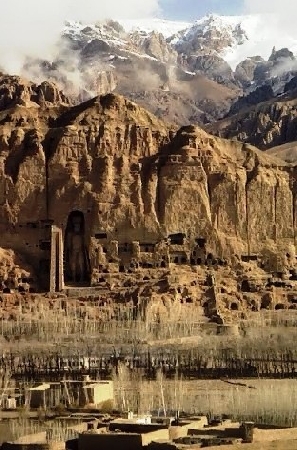
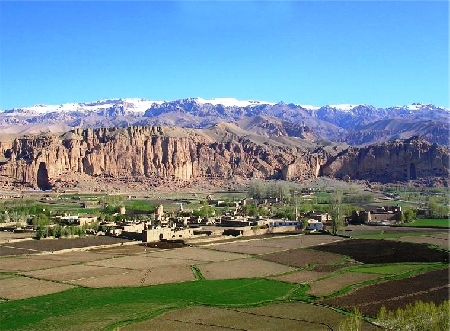
The Buddhas of Bamiyan are located in the Bamyan Valley, a region characterized by dramatic cliffs, serene landscapes, and ancient monasteries. Visitors come not only to witness the historical remnants but also to experience the surrounding scenery, spiritual ambiance, and the rich tapestry of Afghan cultural heritage.
Bamiyan’s historical significance, combined with its breathtaking natural environment, makes it a destination where the past and present meet, offering insights into one of the most influential periods in Central Asian history.
What the Buddhas of Bamiyan Are
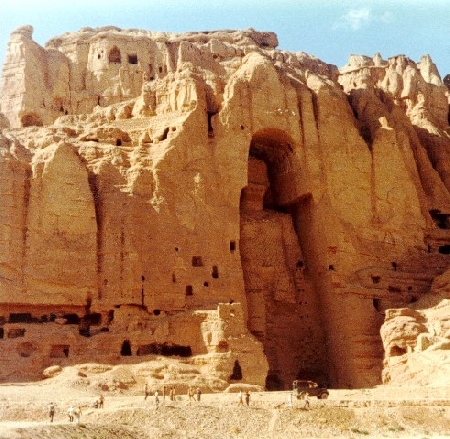
The Buddhas of Bamiyan were two colossal statues carved directly into the sandstone cliffs of the Bamiyan Valley, standing at approximately 55 and 38 meters high. They were built in the 6th century during the Gandhara period, when Buddhism flourished in this region of Afghanistan. The statues depicted standing Buddhas, richly adorned and positioned within large niches carved into the cliff faces.
These statues were more than art; they were symbols of spiritual devotion, representing Buddhist ideals of enlightenment, peace, and compassion. Surrounding the Buddhas were monastic complexes, caves, and frescoed walls that served as centers of meditation and study for Buddhist monks.
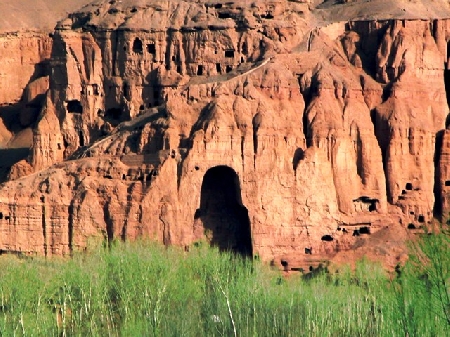
Unfortunately, in March 2001, both statues were destroyed, leaving only the carved niches and remnants of stucco and pigments. Despite their destruction, the site remains one of the most significant cultural landmarks in Afghanistan and continues to attract historians, archaeologists, and travelers.
Why the Buddhas of Bamiyan Are Important
Historical and Archaeological Significance
The Buddhas of Bamiyan were a testament to the artistic and spiritual achievements of the Gandhara civilization, which blended Hellenistic, Indian, and Central Asian influences. Scholars value the site for its architectural innovation, intricate carvings, and the insight it provides into ancient Buddhist practices in the region.
UNESCO World Heritage Site
In 2003, the Buddhas of Bamiyan and the surrounding cultural landscape were designated as a UNESCO World Heritage Site, highlighting their global significance. This designation underscores the need for preservation and provides international recognition of the valley’s historical importance.
Dramatic Natural Landscape
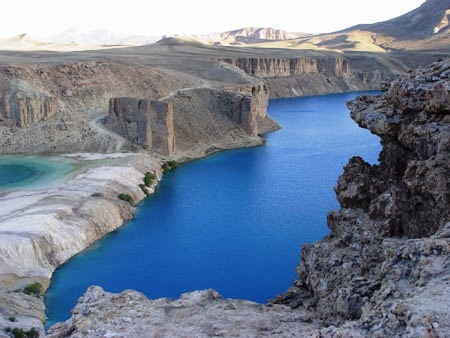
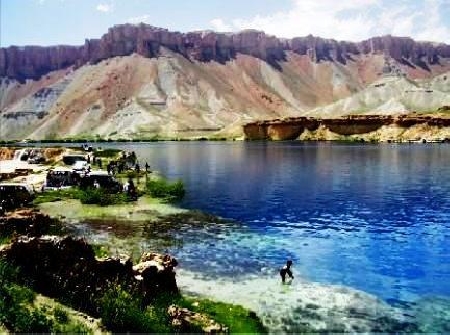
The site is set within a stunning valley surrounded by rugged cliffs, green fields, and mountain ranges. The combination of natural beauty and historical significance makes visiting the Buddhas a unique experience that blends cultural discovery with scenic exploration.
Cultural and Spiritual Legacy
Even in their destroyed state, the niches and surrounding caves retain traces of frescoes, stucco, and inscriptions. These remnants provide insight into Buddhist iconography and Afghan history, offering a chance to connect with the spiritual and artistic past of the region.
What to Do at the Buddhas of Bamiyan
Visiting the Buddhas of Bamiyan involves more than viewing the niches; it is a cultural, historical, and natural exploration.
1. Explore the Buddha Niches
Walk through the site and observe the colossal niches where the Buddhas once stood. Notice the scale of the carvings and the surrounding cliffs, imagining the grandeur of the original statues. Interpretative signs provide historical context and information about the construction and destruction of the Buddhas.
2. Visit Surrounding Caves and Monasteries
The valley is dotted with hundreds of caves, some decorated with remnants of frescoes and carvings. These caves served as meditation spaces for Buddhist monks and provide insight into the religious life of the period. Monasteries in the area, although partially in ruins, showcase ancient architectural techniques and monastic layouts.
3. Learn About Afghan History and Buddhist Art
Engage with local guides or museums nearby, such as the Cultural Centre of Bamiyan, to understand the significance of the statues, the Gandhara style of art, and the history of Buddhism in Afghanistan. These educational experiences deepen appreciation for the site beyond its visual impact.
4. Hike and Explore the Valley
The surrounding valley offers trekking and hiking opportunities with panoramic views of cliffs, farmland, and distant mountains. Hikes to higher vantage points provide a broader perspective of the niches and the valley’s geography, combining physical activity with cultural exploration.
5. Photography and Observation
The Buddhas and the surrounding valley are a photographer’s dream. Sunrise and sunset provide dramatic lighting for the niches and cliffs. Even without the original statues, the remaining structures, caves, and landscapes make for powerful, evocative images.
Practical Travel Tips
Best Time to Visit
- Spring (March to May) and autumn (September to November) offer mild temperatures and clear skies.
- Winter can be cold, especially at higher altitudes, but the valley is less crowded.
Essentials
- Comfortable walking shoes for uneven terrain and hiking trails
- Sun protection, hats, and water for outdoor exploration
- Modest clothing for visiting religious or historically significant sites
Safety and Etiquette
- Check local travel advisories, as security conditions in Afghanistan can vary.
- Respect local traditions and customs, especially in culturally sensitive areas.
- Ask permission before photographing locals or their property.
Why Visiting the Buddhas of Bamiyan Is Unforgettable
Even in their destroyed state, the Buddhas of Bamiyan leave a powerful impression. Visitors often describe a sense of awe at the scale of the original statues and a connection to the long and complex history of the region. The combination of spiritual significance, historical insight, and natural beauty creates an experience that is both educational and deeply moving.
Travelers leave with an understanding of Afghanistan’s cultural richness, the artistic accomplishments of the Gandhara civilization, and the resilience of cultural memory despite conflict and destruction.
Travel agencies Bamyan
+93-778227935-+93-794390475
+93-(795)956 761
+93-766777771
Ask your question about travel on our Forum