Northern Croatia has a temperate continental climate whereas the central and upland regions have a mountainous climate. The entire Adriatic coast has a pleasant Mediterranean climate. Spring and autumn are mild along the coast, while winter is cold and snowy in central and northern regions. The average temperature inland in January ranges from -10 to 5°C, August 19 to 39°C. The average temperature at the seaside is higher: January 6 to 11°C, August 21 to 39°C.
Shopping in Croatia is usually not on travellers' radar as the country is not known as a major shopping destination. Whether or not you're looking for a unique souvenir (see what to buy in Croatia), browsing Croatia's shops and markets is part of the getting-to-know-you experience. Even the briefest shopping excursion provides insight into the local habits, diet and cost of living.
In the coastal regions of Croatia the cuisine has a rather Mediterranean flavour, as you would expect, with lots of olive oil used in the preparation. However, Croatian cuisine does have its own distinct identity, especially in regards to the cooking of fish. The tradition of grilling and roasting fish and delicacies of the sea has been carried down from generation to generation, where the taste of the fish depends on the grilling technique and the type of wood chosen. There is also the tantalising Dalmatian olive oil method of cooking, gradelavanje, which gives the fish a particular and fantastic taste. All along the coast and the isles, the fish menus are unrivalled - even the humble sardine will never taste quite so delicious. Many Croatian fish restaurants have their own fishing boats, so you can be assured of the freshness of the fish. Also, it is not uncommon to choose your own fish from a selection of different species kept on ice in the centre of the restaurant.
Croatia has a reputation as cheap even though prices have been rising the last few years. Yet Croatia is cheaper than many other Mediterranean destinations
The Croatian language is a South Slavic language which is used primarily by the inhabitants of Croatia as well as Croats in Bosnia and Herzegovina. Croatian is based on the Ijekavian pronunciation of the Stokavian dialect (with some influence from Cakavian and Kajkavian) and written with the Croatian alphabet.
Tourism in Croatia is a well-developed industry. Many tourists visit to experience the country's extensive coastline and well-preserved coastal Renaissance towns. In 2005, Croatia had 10 million tourist visitors, [1] and in 2008 11. 26 million tourists. [2]
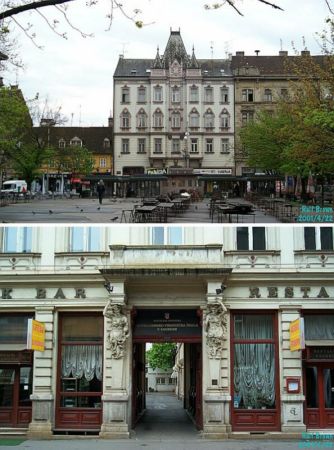
The interior of the country, with the exception of the capital Zagreb, the erstwhile Baroque capital Varaždin and a plethora of medieval castles, has fewer tourist attractions. Eight areas in the country have been designated national parks, and the landscape in these areas is afforded extra protection from development. Several companies run flotillas of yachts along different stretches of the coastline, which is also popular with divers.
The country is currently being advertised under the motto The Mediterranean As It Once Was.
Croatia, is a country in Central Europe and Southeastern Europe at the crossroads of the Pannonian Plain, the Balkans, and the Adriatic Sea. Its capital and largest city is Zagreb. Croatia borders Slovenia to the north, Hungary to the northeast, Bosnia and Herzegovina to the southeast, Serbia to the east, and Montenegro to the southeast.
The Croats arrived in the early 7th century in what today is Croatia. They organized the state into two dukedoms. The first king, King Tomislav was crowned in AD 925 and Croatia was elevated into the status of a kingdom. The Kingdom of Croatia retained its sovereignty for almost two centuries, reaching its peak during the rule of Kings Peter Krešimir IV and Demetrius Zvonimir. Croatia entered a union with Hungary in 1102. In 1527, the Croatian Parliament elected Ferdinand from the House of Habsburg to the Croatian throne. In 1918, Croatia was included in the short-lived State of Slovenes, Croats, and Serbs that declared independence from Austria–Hungary and co-founded the Kingdom of Yugoslavia. A Croatian state briefly existed during World War II, but it was a Nazi/Fascist puppet-state. After World War II, Croatia became a founding member of the Second Yugoslavia. On 25 June 1991, Croatia declared independence and became a sovereign state.
Since the fall of communism and the end of the Croatian War of Independence, Croatia has achieved high human development and income equality, and ranks highly amongst Central European nations in terms of education, health, quality of life and economic dynamism.
Description above from the Wikipedia, licensed under CC-BY-SA full list of contributors
here.