San Antonio de Palé Travel Guide: The Hidden Island Paradise Almost No One Has Visited
San Antonio de Palé is one of the most remote and least explored destinations on Earth, a place where isolation, raw natural beauty, and authentic culture combine into an experience that feels untouched by modern tourism. Located on the island of Annobón in Equatorial Guinea, this small coastal town offers a rare glimpse into a world that has remained largely unchanged for centuries. Travelers who make the effort to reach this destination are rewarded with volcanic landscapes, pristine ocean views, and a deeply rooted cultural heritage.
This comprehensive guide explains everything you need to know about San Antonio de Palé, including how to get there, what to see, what to expect, and how to prepare for one of the most unique travel experiences in the world.
Where Is San Antonio de Palé
San Antonio de Palé is the capital of the Annobón province, located on a small volcanic island in the South Atlantic Ocean. The island lies far from the African mainland and is separated by deep ocean waters, making it one of the most geographically isolated settlements in Africa.
The town itself sits on the northern part of the island, which is flatter and drier compared to the rugged volcanic terrain found elsewhere on Annobón.
Despite its small population and size, San Antonio de Palé serves as the administrative, cultural, and economic center of the island.
The Unique Appeal of San Antonio de Palé
What makes San Antonio de Palé extraordinary is not luxury or infrastructure, but authenticity. This is a destination for travelers seeking:
- Isolation far from mass tourism
- Untouched natural landscapes
- Cultural immersion in a remote island community
- Adventure travel experiences
The island itself was discovered on January 1, 1473, and its name Annobón comes from the Portuguese phrase meaning "Good Year."
Today, that sense of discovery still defines the destination.
How to Get to San Antonio de Palé
Step 1: Travel to Equatorial Guinea
The journey begins by reaching Malabo, the capital city located on Bioko Island. Most international flights arrive here via connections from Europe or Central Africa.
Airlines often operate routes from cities like Madrid, Paris, or Douala, making Malabo the primary gateway into the country.
Step 2: Fly to Annobón Island
From Malabo, you must take a domestic flight to Annobón Island. This is the only reliable way to reach San Antonio de Palé.
- Flights land at Annobón Airport (NBN)
- The airport is located very close to the town
- Travel time is relatively short, but schedules can be irregular
Due to the island’s isolation, air travel is considered the most practical and often the only dependable option.
Step 3: Arrival in San Antonio de Palé
Once you land, you are essentially already in the town. The airport is only about 1 km from the center, and most destinations can be reached within minutes.
There are no taxis in the traditional sense, but local transport or walking is sufficient due to the small size of the settlement.
Can You Reach It by Boat
Technically, boat travel is possible, but it is not recommended for most travelers. Sea routes are unreliable, schedules are inconsistent, and safety standards may vary.
Flights remain the primary and safest way to access the island.
Getting Around San Antonio de Palé
One of the defining characteristics of the town is its simplicity.
- Walking is the main form of transportation
- There are no formal public transport systems
- Roads are basic and limited
- Distances are short
Exploring on foot allows visitors to fully experience the local lifestyle and scenery.
What to See in San Antonio de Palé
1. Volcanic Landscapes of Annobón Island
The entire island is essentially the exposed peak of a massive underwater volcano.
This geological origin creates dramatic scenery, including:
- Steep cliffs
- Rugged terrain
- Lava formations
- Elevated viewpoints overlooking the Atlantic
Hiking across the island reveals constantly changing landscapes shaped by volcanic activity.
2. Pico Quioveo
Pico Quioveo is one of the highest points on the island and offers panoramic views of the surrounding ocean and terrain.
Reaching the summit involves a challenging hike, but the reward is a breathtaking perspective of the island’s volcanic structure.
3. Lago A Pot Crater Lake
One of the most fascinating natural features is Lago A Pot, a crater lake formed within an ancient volcanic caldera.
Visitors can:
- Hike to the lake
- Observe unique vegetation
- Experience the silence of an isolated ecosystem
The journey itself is as memorable as the destination.
4. Coastal Beaches
San Antonio de Palé is surrounded by untouched beaches that remain free from commercial development.
These beaches offer:
- Clear Atlantic waters
- Black volcanic sand
- Opportunities for quiet reflection
Swimming conditions can vary depending on currents, so caution is advised.
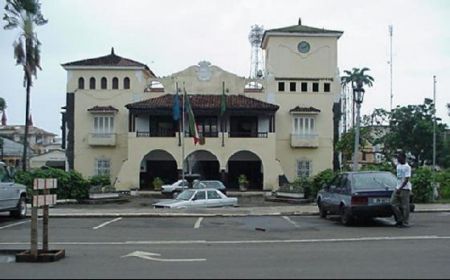
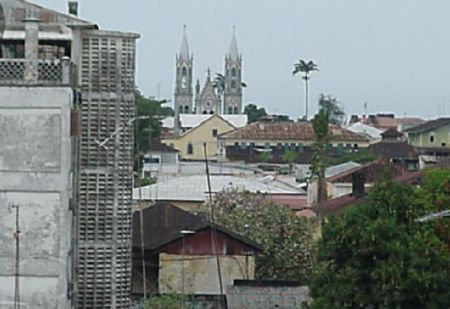
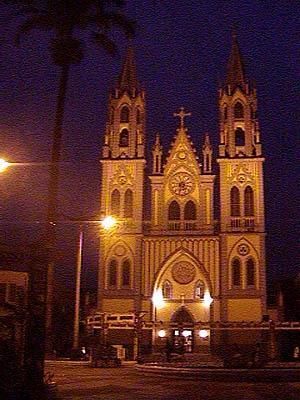
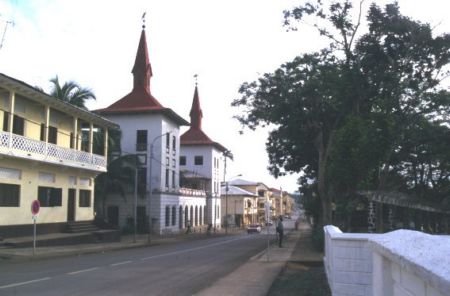
5. The Town Center
The town is small but culturally rich.
Key features include:
- A Catholic church that serves as a community hub
- A lighthouse
- A small port and dock area
- A local market where daily life unfolds
These elements reflect the town’s history as a missionary and colonial settlement.
6. Local Market Experience
The market is one of the most authentic experiences in San Antonio de Palé.
Here you will find:
- Fresh fish such as tuna and wahoo
- Tropical fruits
- Cassava and plantains
- Handmade goods
It is a place where visitors can interact directly with local residents and observe everyday life.
7. Cultural Heritage and History
San Antonio de Palé has a long and complex history.
- Founded by Portuguese explorers
- Later controlled by Spain
- Used as a base for missionaries
- Associated with anti-slavery efforts
The town has maintained its cultural identity despite centuries of external influence.
The Atmosphere of the Island
Life in San Antonio de Palé moves at a slower pace.
- There are no shopping malls
- No large hotels
- Limited infrastructure
- Minimal internet connectivity
This creates a unique environment where visitors disconnect from modern distractions and reconnect with nature and culture.
What to Expect as a Visitor
Limited Facilities
Visitors should understand that this is not a typical tourist destination.
- Accommodation options are basic
- Medical facilities are limited
- Electricity and internet may be inconsistent
Cash Economy
Credit cards are not accepted, and ATMs may not be available.
Travelers must bring sufficient cash in local currency.
Climate and Best Time to Visit
San Antonio de Palé has a tropical climate.
- Warm temperatures year-round
- High humidity
- Frequent rain showers
Light clothing and rain protection are essential.
Language and Communication
The official language is Spanish, but locals also speak Annobonese Creole.
English is rarely spoken, so basic Spanish phrases are highly useful.
Safety and Travel Tips
Traveling to such a remote destination requires preparation.
Important tips include:
- Bring essential supplies and medications
- Use bottled water
- Respect local customs
- Ask permission before taking photos
- Be prepared for limited connectivity
Why Visit San Antonio de Palé
San Antonio de Palé is not for everyone.
It is not about luxury, convenience, or entertainment.
It is about:
- Experiencing one of the least visited places on Earth
- Exploring a volcanic island untouched by mass tourism
- Engaging with a unique and isolated culture
- Discovering a destination that feels like stepping back in time
A Destination for True Explorers
For those who seek something beyond typical travel experiences, San Antonio de Palé offers a rare opportunity.
It is a place where:
- Nature dominates
- Culture remains authentic
- Adventure begins the moment you decide to go
This remote island town stands as one of the last frontiers of travel, waiting for those willing to make the journey.
Travel agencies Malabo
Ask your question about travel on our Forum