Madagascar Travel Guide 2026: The Ultimate Exotic Island Adventure You Cannot Miss
Madagascar is not just a destination. It is an entirely different world. Located off the southeastern coast of Africa, this massive island in the Indian Ocean has evolved in isolation for millions of years, creating landscapes, wildlife, and cultures that feel almost surreal.
For travelers seeking something beyond typical beach holidays or standard safari experiences, Madagascar offers a rare combination of biodiversity, raw nature, cultural depth, and adventure. This is a place where you can walk through rainforests echoing with the calls of lemurs, explore jagged stone forests that look like another planet, and relax on untouched tropical beaches all within one journey.
Madagascar is often described as the "eighth continent" because of its extraordinary uniqueness. Around 90 percent of its wildlife exists nowhere else on Earth, making it one of the most biologically rich places on the planet.
This comprehensive travel guide explores everything you need to know about visiting Madagascar, from its landscapes and wildlife to travel planning, culture, and unforgettable experiences.
Why Travel to Madagascar
Madagascar stands apart from other travel destinations because of its isolation and natural evolution. Separated from mainland Africa around 165 million years ago, the island developed ecosystems that are completely unique.
Unlike traditional African safari destinations, Madagascar offers a more immersive experience. Instead of observing wildlife from vehicles, travelers often explore on foot, guided by local experts who reveal hidden creatures in dense forests and remote landscapes.
Tourism in Madagascar revolves around three main pillars:
- Unique wildlife and biodiversity
- Dramatic landscapes and natural formations
- Rich cultural heritage and local traditions
Because tourism is still developing, many areas remain untouched and authentic, offering a sense of discovery that is increasingly rare in modern travel.
Geography and Landscape Diversity
Madagascar is the fourth largest island in the world, covering approximately 590,000 square kilometers.
Its geography is incredibly varied, which means travelers can experience multiple climates and ecosystems within one trip.
Rainforests
The eastern part of the island is dominated by lush rainforests filled with dense vegetation, waterfalls, and rare wildlife. These forests are among the most biodiverse regions on Earth and are home to iconic species such as indri lemurs and colorful chameleons.
Highlands
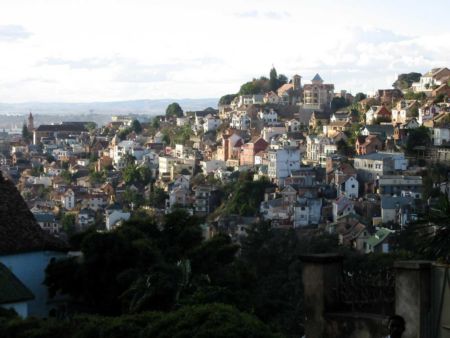
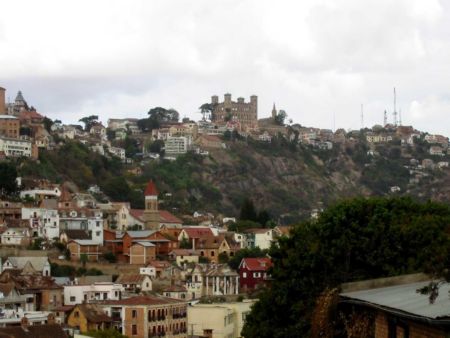
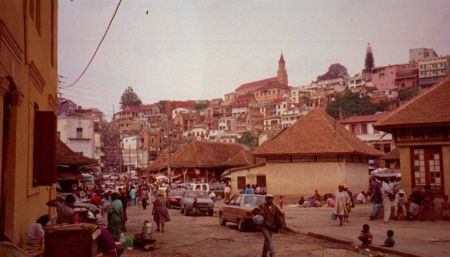
The central highlands feature rolling hills, terraced rice fields, and cooler temperatures. This region includes the capital city and provides a glimpse into everyday Malagasy life.
Dry Forests and Spiny Deserts
The western and southern parts of Madagascar are much drier, with unique vegetation such as baobab trees and spiny forests adapted to harsh conditions.
Coastal Regions
Madagascar has thousands of kilometers of coastline, including pristine beaches, coral reefs, and mangrove ecosystems that support marine life and local fishing communities.
Wildlife and Biodiversity
Madagascar is globally recognized for its extraordinary biodiversity. Despite covering only a small portion of Earth's land, it contains about 4 percent of all known plant and animal species.
Lemurs
Lemurs are Madagascar’s most famous inhabitants, with over 100 species found only on this island. From the ring-tailed lemur to the large indri, these primates are a highlight for visitors.
Chameleons and Reptiles
Madagascar is home to roughly half of the world’s chameleon species, including some of the smallest and most colorful reptiles on Earth.
Birds and Marine Life
The island also hosts diverse bird species, many of which are endemic, as well as rich marine ecosystems that include whales, sharks, and coral reefs.
Unique Plants
Madagascar’s flora is equally remarkable, featuring thousands of orchid species and iconic baobab trees that dominate certain landscapes.
Best Time to Visit Madagascar
Madagascar has a tropical climate with distinct wet and dry seasons.
Dry Season
- April to November
- Best for travel and wildlife viewing
- Easier road conditions and lower humidity
Rainy Season
- December to March
- Lush landscapes and active wildlife
- Travel can be more difficult due to heavy rains
Temperatures typically range between 18°C and 27°C throughout the year, making Madagascar a year-round destination depending on your priorities.
Top Attractions in Madagascar
Avenue of the Baobabs
One of the most iconic sights in Madagascar, this dirt road lined with ancient baobab trees creates a surreal landscape, especially at sunset.
Tsingy de Bemaraha
This UNESCO World Heritage Site features dramatic limestone formations that resemble a forest of stone, offering one of the most unique landscapes on Earth.
National Parks
Madagascar’s national parks protect its biodiversity and offer opportunities for hiking, wildlife observation, and eco-tourism.
Popular parks include:
- Andasibe Mantadia National Park
- Ranomafana National Park
- Isalo National Park
Beaches and Islands
Madagascar’s coastline includes some of the most beautiful and least crowded beaches in the world, particularly around islands like Nosy Be.
Culture and People
Madagascar’s culture is a blend of African and Asian influences, reflecting its unique history of settlement.
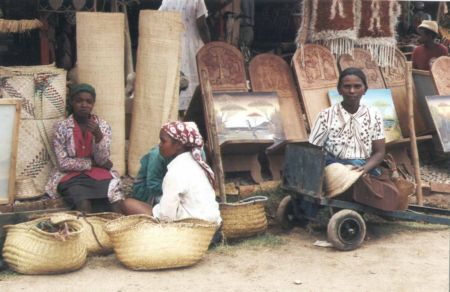
The Malagasy people are known for their hospitality and strong connection to traditions, including music, dance, and ancestral customs.
Language
- Malagasy is the primary language
- French is widely spoken
- English is used in tourist areas
Lifestyle
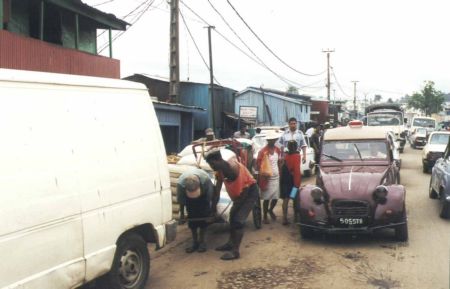
Most of the population lives in rural areas, and traditional practices remain an important part of daily life.
Travel Planning Tips
Transportation
Travel within Madagascar can be challenging due to road conditions and long distances. Many travelers choose a combination of domestic flights and private drivers.
"The country is huge and distances can be long"
Safety
Tourist areas are generally safe, but basic precautions are recommended:
- Avoid walking alone at night
- Use trusted guides and drivers
- Keep valuables secure
Accommodation
Options range from luxury eco-lodges to simple guesthouses. Outside major cities, accommodations tend to be more rustic but offer authentic experiences.
Unique Experiences in Madagascar
Wildlife Trekking
Unlike traditional safaris, Madagascar offers guided walks through forests where travelers can encounter wildlife up close.
Night Safaris
Night walks reveal nocturnal species such as mouse lemurs and chameleons.
Cultural Encounters
Visiting local villages provides insight into Malagasy traditions and daily life.
Whale Watching
Between July and September, humpback whales can be seen along the coast.
Sustainable Travel in Madagascar
Madagascar faces environmental challenges, including deforestation and habitat loss. Responsible tourism plays a key role in conservation.
Travelers can support sustainability by:
- Visiting national parks
- Hiring local guides
- Supporting eco-friendly accommodations
- Avoiding wildlife exploitation
Tourism helps fund conservation efforts and supports local communities, making responsible travel especially important.
Food and Cuisine
Malagasy cuisine reflects a mix of influences and typically includes:
- Rice as a staple
- Seafood along the coast
- Zebu meat
- Fresh tropical fruits
Vanilla, one of Madagascar’s most famous exports, is widely used in both local and international dishes.
Challenges and Realities of Travel
Madagascar is not a typical luxury destination. It is an adventure.
Travelers should be prepared for:
- Limited infrastructure
- Long travel times
- Basic facilities in remote areas
However, these challenges are part of what makes the experience so authentic and rewarding.
"It’s more an adventure type of holiday"
Sample Itinerary for Madagascar
10 to 14 Days
Day 1-3: Arrival and exploration of Antananarivo and Andasibe
Day 4-7: Highlands and western landscapes including baobabs
Day 8-10: National parks and wildlife experiences
Day 11-14: Beach relaxation on Nosy Be
Travel agencies Antananarivo
+261-20 22 62 527
+261-329588215 (on whats app as well)
+261-0349653456
Ask your question about travel on our Forum