Easter in London 2026: The Ultimate Guide to Traditions, Events, Food, and Cultural Experiences in the UK Capital
Easter in London is one of the most atmospheric and culturally layered spring celebrations in Europe. The British capital transforms during this period into a blend of ancient religious rituals, vibrant modern entertainment, culinary traditions, and family-friendly events that reflect both centuries-old heritage and contemporary urban life. From historic church services and royal traditions to Easter egg hunts in blooming parks, London offers a uniquely diverse way to experience this holiday.
This comprehensive guide explores how London celebrates Easter in depth, covering traditions, events, food, cultural meaning, family activities, travel tips, and the overall atmosphere of the city during this important seasonal holiday.
The Meaning of Easter in London and the United Kingdom
Easter in London is rooted in Christian tradition, commemorating the resurrection of Jesus Christ after his crucifixion. It is considered one of the most important religious holidays in the Christian calendar, marking hope, renewal, and new life.
However, Easter in London is not only religious. It is also deeply connected to older pagan traditions celebrating spring, fertility, and rebirth. The Anglo-Saxon festival of Eostre, associated with the goddess of dawn and renewal, contributed to symbols such as eggs and rabbits that remain central to modern celebrations.
Today, Easter in London exists as a hybrid celebration that combines:
- Religious observance
- Cultural traditions
- Seasonal festivities
- Commercial and entertainment events
- Family gatherings and public holidays
This blend is what makes Easter in London both meaningful and widely accessible to people of all backgrounds.
The Easter Calendar in London
Understanding how London celebrates Easter requires following the sequence of events that lead up to the main holiday.
Shrove Tuesday and Pancake Day
Easter celebrations in London begin long before Easter Sunday. One of the earliest traditions is Shrove Tuesday, commonly known as Pancake Day. This day occurs 47 days before Easter and marks the final opportunity to use rich ingredients before Lent begins.
In London, Pancake Day is celebrated with:
- Pancake races in public spaces
- Special menus in restaurants and cafes
- Community events and charity races
The Great Spitalfields Pancake Race is one of the most famous events, where participants run while flipping pancakes.
Lent in London
Lent is a 40-day period of fasting, reflection, and preparation leading up to Easter. Traditionally, Londoners would give up indulgent foods or habits during this time.
Today, Lent is observed in a more flexible way, with many people choosing personal challenges such as:
- Giving up sugar or alcohol
- Reducing screen time
- Practicing mindfulness or charity
Church services remain active across London, especially in historic religious sites.
Holy Week
Holy Week is the final week before Easter Sunday and includes several important days:
- Palm Sunday
- Maundy Thursday
- Good Friday
During this period, churches across London host special services, often featuring choirs and classical music performances. Major religious venues attract both worshippers and visitors.
Good Friday in London
Good Friday is a public holiday in London and is traditionally a solemn day marking the crucifixion of Christ.
Key traditions include:
- Attending church services
- Eating fish instead of meat
- Baking and eating hot cross buns
Hot cross buns are a defining symbol of Good Friday in London. These spiced sweet buns marked with a cross have a long history and were once believed to have magical properties.
Easter Sunday
Easter Sunday is the main celebration day and represents the resurrection of Christ. It is a time of joy, family gatherings, and feasting.
In London, Easter Sunday includes:
- Church services and celebrations
- Family meals, especially roast dinners
- Easter egg exchanges and chocolate treats
- Outdoor activities and gatherings
Easter Monday
Easter Monday is also a public holiday in London and is focused more on leisure and entertainment.
Events often include:
- Parades and outdoor festivals
- Sports events
- Family outings and park activities
One traditional event is the London Harness Horse Parade, showcasing historic carriages and horses.
Religious Celebrations in London
Religion remains a central aspect of Easter in London, particularly in historic churches and cathedrals.
Church Services and Choir Performances
Many of London’s iconic churches host special Easter services featuring:
- Classical choral music
- Organ performances
- Candlelit ceremonies
These services attract both locals and international visitors.
Historic Churches and Cathedrals
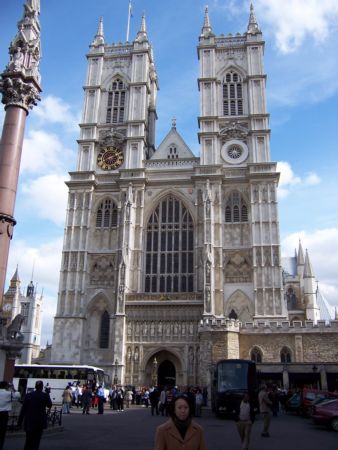
London is home to some of the most famous religious landmarks in the UK. During Easter, these locations become focal points for worship and cultural appreciation.
Visitors can experience:
- Traditional Anglican services
- Choir performances during Holy Week
- Historical architecture and atmosphere
Easter Traditions in London
London preserves a wide variety of Easter traditions, some dating back centuries.
Easter Eggs
Eggs symbolize new life and rebirth, making them central to Easter celebrations.
In London, eggs appear in several forms:
- Chocolate eggs given as gifts
- Decorated eggs used in activities
- Hidden eggs in Easter hunts
Easter Bunny
The Easter Bunny is a popular symbol associated with children’s celebrations.
In London, the Easter Bunny appears in:
- Public events
- Shopping centers
- Family attractions
Easter Egg Hunts
Easter egg hunts are one of the most popular activities in London, especially for families.
They are held in:
- Parks and gardens
- Zoos and attractions
- Museums and cultural venues
Children search for hidden eggs, often receiving chocolate prizes.
Hot Cross Buns
Hot cross buns are a traditional Easter food in London, especially on Good Friday.
They are:
- Sweet, spiced buns
- Marked with a symbolic cross
- Widely available in bakeries and supermarkets
Egg Rolling
Egg rolling is a lesser-known tradition where decorated eggs are rolled down hills.
This activity symbolizes the rolling away of the stone from Christ’s tomb.
Food and Dining During Easter in London
Food plays a major role in Easter celebrations across London.
Traditional Easter Meals
The most common Easter meal is the Sunday roast, often featuring:
- Lamb or chicken
- Roast potatoes
- Vegetables
- Gravy
This meal is typically enjoyed with family or at a local pub.
Chocolate and Sweet Treats
Chocolate is a defining part of Easter in London.
Popular treats include:
- Chocolate eggs
- Chocolate rabbits
- Artisan confectionery
London’s chocolate shops often create elaborate Easter-themed displays.
Afternoon Tea
Easter-themed afternoon tea is a popular experience in London.
It includes:
- Cakes and pastries
- Sandwiches
- Tea and champagne options
Many venues offer seasonal menus with Easter decorations.
Easter Events and Activities in London
London hosts a wide range of events during Easter, catering to all ages.
Family-Friendly Activities
Families can enjoy:
- Easter egg hunts
- Craft workshops
- Zoo experiences
- Interactive exhibitions
Many attractions create themed events during the school holidays.
Outdoor Activities
Spring is one of the best times to explore London outdoors.
Popular activities include:
- Picnics in parks
- Walking tours
- River Thames cruises
- Visiting gardens in bloom
London’s green spaces become especially lively during Easter.
Theatre and Entertainment
Easter is a great time to experience London’s cultural scene.
Options include:
- West End musicals
- Theatre performances
- Live music events
Many shows attract families and tourists during the holiday period.
Seasonal Attractions
Tourist attractions remain open during Easter, although some operate on adjusted schedules.
Popular attractions include:
- Observation wheels
- Studio tours
- Museums and galleries
Shopping and Public Life During Easter
Easter affects daily life in London in noticeable ways.
Public Holidays
Good Friday and Easter Monday are public holidays in the UK.
This results in:
- Reduced public transport services
- Changes in business hours
- Increased tourism activity
Shop Closures
Many large shops must close on Easter Sunday due to UK law, although smaller stores may remain open.
City Atmosphere
London’s atmosphere during Easter is unique:
- Tourist areas become busy
- Some residential areas become quieter
- Parks and outdoor spaces fill with visitors
Easter for Families in London
Easter is especially popular among families in London.
School Holidays
The Easter period coincides with school holidays, making it a prime time for family activities.
Children’s Events
Children can participate in:
- Egg hunts
- Craft workshops
- Storytelling sessions
- Interactive exhibits
Zoos and Attractions
Places like zoos often host Easter-themed activities, including:
- Treasure hunts
- Educational programs
- Animal-themed events
Unique London Easter Experiences
London offers experiences that are specific to the city.
River Thames Cruises
Boat tours along the River Thames provide a scenic way to celebrate Easter.
Historic Traditions
Some traditions are unique to London, such as:
- Hanging hot cross buns in pubs
- Charity distributions of buns
- Historic parades
Cultural Diversity
London’s multicultural population adds variety to Easter celebrations.
Visitors can experience:
- International cuisines
- Diverse religious practices
- Fusion cultural events
Weather and Spring Atmosphere
Easter in London takes place during spring, which enhances the experience.
Spring Bloom
The city comes alive with:
- Blossoming flowers
- Green parks
- Mild temperatures
Outdoor Enjoyment
The improving weather encourages:
- Walking tours
- Picnics
- Outdoor festivals
Travel Tips for Easter in London
Planning ahead is essential when visiting London during Easter.
Transport
Public transport may run on reduced schedules, so planning is important.
Accommodation
Hotels can be fully booked due to increased tourism.
Booking Activities
Popular attractions and events should be booked in advance.
Why Easter in London Is Special
Easter in London stands out because of its combination of:
- Deep historical traditions
- Religious significance
- Modern entertainment
- Family-friendly experiences
- Seasonal beauty
The city offers something for everyone, from quiet reflection in historic churches to lively celebrations in parks and cultural venues.
Extended Cultural Context of Easter in London
Easter in London reflects broader British cultural identity.
It blends:
- Ancient pagan symbolism
- Christian religious meaning
- Victorian-era traditions
- Modern commercial influences
This layered history creates a celebration that is both meaningful and accessible.
The Role of Community During Easter
Community plays an important role in how London celebrates Easter.
People gather for:
- Family meals
- Public events
- Religious services
- Social activities
This sense of togetherness is a defining feature of the holiday.
Seasonal Food Culture Expansion
Easter also marks a shift in seasonal eating habits in London.
Spring ingredients become more prominent, including:
- Fresh vegetables
- Herbs
- Light dishes
Restaurants often update menus to reflect the season.
Easter Tourism in London
Easter is one of the most popular times to visit London.
Tourists are drawn by:
- Mild weather
- Seasonal events
- Cultural experiences
The city becomes vibrant and dynamic during this period.
Symbolism and Modern Interpretation
Modern Easter celebrations in London continue to evolve.
While traditional symbols remain, new interpretations include:
- Creative events
- Modern art exhibitions
- Innovative culinary experiences
This keeps the holiday relevant in a contemporary urban environment.
The Social Experience of Easter in London
Easter is also a social holiday in London.
People spend time:
- Visiting friends and family
- Dining out
- Exploring the city
It is a time for relaxation and enjoyment.
London’s Parks During Easter
Parks are central to Easter celebrations.
Visitors can enjoy:
- Green landscapes
- Outdoor games
- Picnics and relaxation
These spaces become gathering points for both locals and tourists.
Travel agencies London
+44 (0) 1689 825 777
+44 1865 516577
+44 01548852914
Ask your question about travel on our Forum