Easter in Washington DC: The Ultimate Spring Celebration Guide That Will Completely Change How You Experience the Capital
Easter in Washington DC is not just a holiday. It is a layered cultural experience that blends history, faith, community traditions, seasonal beauty, and iconic American symbolism into one unforgettable spring celebration. As winter fades and the city bursts into bloom, the nation’s capital transforms into a vibrant destination filled with events, ceremonies, family activities, and culinary traditions that define Easter in a uniquely Washington way.
From historic gatherings on the White House lawn to sunrise services at national monuments, from elegant brunches to community egg hunts, Easter in Washington DC offers something for every type of traveler and local resident. This is a city where tradition meets modern celebration, where centuries-old rituals coexist with contemporary experiences, and where every neighborhood contributes to the atmosphere of renewal and joy.
Why Easter in Washington DC Feels Different From Anywhere Else
Washington DC holds a special place in the American imagination, and during Easter, that significance becomes even more pronounced. The combination of political history, religious observance, and public celebration creates a setting unlike any other major city in the United States.
Spring in the capital is marked by longer days, blooming cherry blossoms, and a renewed sense of energy throughout the city. Easter arrives at the perfect moment, symbolizing renewal not only in a religious sense but also in a seasonal and cultural one.
Visitors quickly notice that Easter in Washington DC is not confined to churches or private homes. Instead, it spills into public spaces, parks, museums, and historic landmarks. This openness reflects the inclusive nature of the city’s celebrations, where people of different backgrounds come together to share in the experience.
The Historic White House Easter Egg Roll
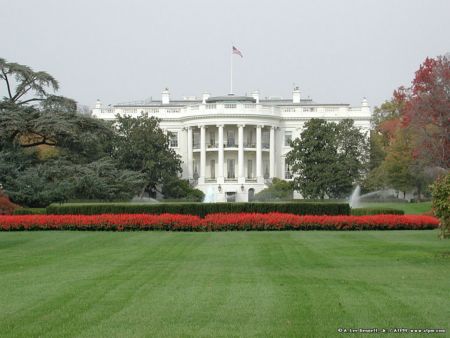
One of the most iconic Easter traditions in the United States takes place right in Washington DC. The White House Easter Egg Roll is not just a festive event but a deeply rooted historical tradition that dates back to 1878.
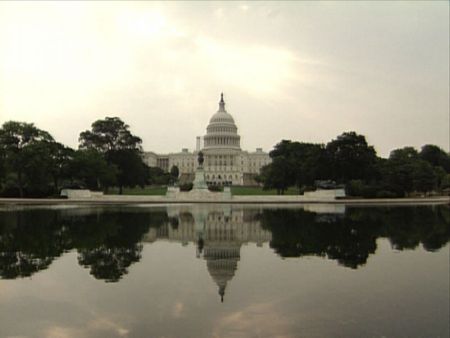
Originally, children would gather on the grounds of the US Capitol to roll eggs down the hills. When this activity was banned to preserve the landscape, children moved their celebrations to the White House lawn. President Rutherford B. Hayes officially opened the grounds to them, creating a tradition that continues to this day.
Today, the event attracts tens of thousands of families from across the country. Children participate in egg rolling races, storytelling sessions, live entertainment, and educational activities. The event has evolved into a large-scale celebration that reflects both American culture and the spirit of Easter.
The White House Easter Egg Roll also holds historical significance in terms of social progress. It became officially integrated in 1954, marking an important step toward inclusivity in national traditions.
Easter Sunrise Service at the Lincoln Memorial
Another powerful tradition that defines Easter in Washington DC is the sunrise service held at the Lincoln Memorial. Thousands of people gather before dawn, often wrapped in blankets against the early morning chill, to witness the sunrise while participating in worship and reflection.
This tradition has been taking place for decades and continues to draw a diverse crowd each year. The setting itself adds to the experience. As the sun rises behind the Washington Monument, the light spreads across the National Mall, creating a moment that feels both spiritual and symbolic.
The service is known for its inclusive atmosphere. People attend not only for religious reasons but also for the sense of community and connection it fosters. Music, prayer, and shared reflection make it one of the most memorable Easter experiences in the city.
Church Services Across the Capital
Washington DC is home to a wide variety of churches, each offering unique Easter services that reflect different traditions and denominations. From grand cathedrals to smaller community churches, the city provides countless opportunities for worship and celebration.
Major religious institutions host elaborate services featuring choirs, orchestras, and traditional liturgy. These services often draw large crowds and require early arrival or advance planning.
At the same time, smaller churches create more intimate environments where visitors can experience a sense of belonging and community. Many churches emphasize inclusivity and welcome attendees regardless of their background or level of religious involvement.
Throughout the Easter season, services extend beyond Easter Sunday itself. The period known as the Great Fifty Days continues the celebration, with events such as choral evensong and daily prayers keeping the spirit of Easter alive.
Easter Brunch Culture in Washington DC
One of the most beloved aspects of Easter in Washington DC is the tradition of brunch. After attending morning services or community events, families and friends gather to enjoy elaborate meals that celebrate the flavors of spring.
Easter brunch in the capital combines traditional American dishes with modern culinary influences. Classic items such as glazed ham, deviled eggs, and seasonal vegetables are often accompanied by creative interpretations from local chefs.
Restaurants across the city offer special menus, often featuring live music, rooftop seating, and family-friendly activities. The combination of food, atmosphere, and social interaction makes brunch a central part of the Easter experience.
The popularity of Easter brunch has grown over the years, transforming it into a social event as much as a meal. It reflects the broader culture of Washington DC, where dining is often intertwined with celebration and community.
Family-Friendly Easter Events and Activities
Washington DC offers a wide range of activities designed specifically for families during Easter. These events provide opportunities for children to engage with the holiday in fun and meaningful ways.
Egg hunts are among the most popular activities, taking place in parks, museums, and even bookstores. Children search for hidden eggs, participate in games, and enjoy treats and prizes.
The Smithsonian National Zoo hosts Easter Monday celebrations that have become a long-standing tradition. Families gather for activities such as egg hunts, live entertainment, and educational programs that highlight wildlife conservation.
These events are designed to be inclusive and accessible, ensuring that families from all backgrounds can participate. They also provide opportunities for learning, making them both entertaining and educational.
The Cultural Significance of Easter Monday
Easter Monday holds a unique place in Washington DC, particularly within the African American community. For more than a century, it has been celebrated as a day of rest, recreation, and cultural expression.
Historically, Easter Monday became an unofficial holiday when African American families gathered for picnics, music, and community events. This tradition continues today, with large gatherings taking place at venues such as the National Zoo.
The celebration reflects resilience, community, and cultural identity. It adds another layer to the Easter experience in Washington DC, highlighting the diversity of traditions within the city.
Museums and Educational Easter Experiences
Washington DC’s museums play an active role in Easter celebrations, offering exhibitions and programs that explore the historical and religious aspects of the holiday.
The Museum of the Bible, for example, hosts events that include interactive exhibits, artistic interpretations, and educational presentations focused on the story of Easter.
These experiences provide a deeper understanding of the holiday’s origins and significance. They also offer alternatives for visitors who may prefer a more educational or reflective approach to celebration.
Community Events and Modern Celebrations
In addition to traditional activities, Washington DC hosts a wide range of modern Easter events that cater to different interests and lifestyles.
Local neighborhoods organize festivals, garden parties, and themed gatherings that bring people together in creative ways. Breweries, cultural centers, and public spaces often host unique events such as egg hunts, craft workshops, and live performances.
These modern celebrations reflect the evolving nature of Easter in the city. They demonstrate how traditions can adapt while still maintaining their core meaning.
The Role of Spring in Easter Celebrations
Spring plays a central role in shaping the Easter experience in Washington DC. The city’s natural beauty enhances every aspect of the holiday, from outdoor services to family activities.
Cherry blossoms, blooming gardens, and mild weather create an ideal setting for celebration. Parks and public spaces become gathering points where people can enjoy the season while participating in Easter traditions.
The connection between Easter and spring is deeply symbolic. Both represent renewal, growth, and new beginnings, making the timing of the holiday particularly meaningful.
Planning Your Easter Visit to Washington DC
For those planning to experience Easter in Washington DC, preparation is key. The popularity of events such as the White House Easter Egg Roll means that tickets and reservations often need to be secured well in advance.
Travelers should consider their priorities when planning their visit. Whether the focus is on religious observance, family activities, or culinary experiences, the city offers a wide range of options to suit different interests.
Accommodations near major landmarks can enhance the experience, providing easy access to events and attractions. Public transportation is also a convenient way to navigate the city during busy holiday periods.
The Atmosphere of Easter Weekend
Easter weekend in Washington DC is characterized by a sense of energy and anticipation. Streets are filled with visitors, restaurants are bustling, and public spaces are alive with activity.
The combination of tradition and celebration creates a unique atmosphere that is both festive and meaningful. It is a time when the city feels especially connected, with people coming together to share in a common experience.
Hidden Gems and Lesser-Known Experiences
While major events attract the most attention, Washington DC also offers many lesser-known Easter experiences that are worth exploring.
Small community gatherings, local church services, and neighborhood events provide opportunities for more intimate and authentic experiences. These hidden gems often reflect the true spirit of the holiday, emphasizing connection and simplicity.
Exploring different parts of the city can reveal unique traditions and perspectives, adding depth to the overall experience.
The Evolution of Easter Traditions in Washington DC
Easter traditions in Washington DC have evolved over time, reflecting changes in society and culture. From the early days of informal egg rolling to the large-scale events of today, the holiday has grown in both scope and significance.
This evolution highlights the adaptability of traditions and their ability to remain relevant in a changing world. It also underscores the importance of community in shaping how holidays are celebrated.
Experiencing Easter as a Visitor
For visitors, Easter in Washington DC offers a chance to experience the city in a unique and memorable way. The combination of historical significance, cultural diversity, and seasonal beauty creates an environment that is both engaging and inspiring.
Whether attending a sunrise service, participating in a family event, or enjoying a festive meal, visitors can immerse themselves in the traditions and atmosphere of the holiday.
The Lasting Appeal of Easter in Washington DC
Easter continues to be one of the most anticipated times of year in Washington DC. Its enduring appeal lies in its ability to bring people together, celebrate renewal, and create meaningful experiences.
The city’s blend of history, culture, and community ensures that Easter remains a vibrant and dynamic celebration. Each year, new traditions emerge while old ones are preserved, creating a rich tapestry of experiences that define Easter in the nation’s capital.
Travel agencies Washington, DC
+1-509-682-2615
866/404.8439
+1-719 448-9143
Ask your question about travel on our Forum