Easter in Oslo: The Ultimate Travel Experience Guide with Traditions, Activities, Culture and Insider Insights
Easter in Oslo is one of the most unique seasonal experiences in Europe. Unlike many destinations where Easter revolves primarily around religious ceremonies, the Norwegian capital transforms into a blend of outdoor adventure, cultural traditions, cozy city life, and distinctive local customs. The holiday period, known as “Påske” in Norway, is deeply rooted in nature, food, and relaxation, offering visitors a completely different perspective on springtime travel.
This comprehensive guide explores everything about Easter in Oslo, from traditions and activities to food, travel tips, and local culture. Whether you are planning a visit or simply curious, this deep dive provides a full picture of what makes Easter in Oslo so special.
Why Easter in Oslo Is So Unique
Easter in Oslo stands apart from celebrations in most countries. While many European cities focus on church services, markets, and family gatherings, Norway has developed a distinct culture around the holiday.
One of the defining features is the strong connection to nature. The concept of “friluftsliv,” meaning outdoor living, plays a central role. Norwegians use the Easter holidays as an opportunity to spend time outdoors, often leaving the city for cabins in the mountains or forests.
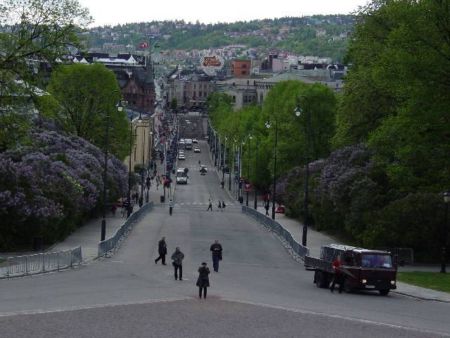
At the same time, Oslo itself offers a quieter, more relaxed atmosphere during Easter. Many locals travel away, leaving behind a peaceful city that becomes ideal for exploration without crowds.
The Atmosphere of Oslo During Easter
Easter in Oslo creates a unique contrast between lively traditions and calm surroundings. The city slows down significantly, with fewer people in the streets and a more relaxed pace of life.
This quieter environment allows visitors to experience Oslo differently. Museums, parks, and waterfront areas become more accessible, while the overall mood is calm and reflective.
Decorations play an important role in creating the Easter atmosphere. Homes and public spaces are often adorned with yellow and green colors, flowers, candles, and Easter-themed ornaments.
The term “påskestemning” is commonly used in Norway to describe this special Easter feeling. It reflects a mix of coziness, relaxation, and seasonal joy.
Norwegian Easter Traditions in Oslo
The Cabin Culture and Mountain Escape
One of the most iconic traditions is the mass movement of people from cities like Oslo to mountain cabins, known as “hytter.” This tradition is so widespread that it defines the entire Easter period.
Families pack their cars with skis, food, and essentials and head into nature for several days of relaxation and outdoor activities.
This phenomenon is sometimes referred to as “påskefjellet,” meaning the Easter mountain experience. It is considered an essential part of Norwegian culture.
Skiing and Outdoor Activities
Easter is one of the best times for skiing in Norway. Snow conditions are usually still good, while temperatures become milder and days longer.
Popular activities include:
- Cross-country skiing
- Snowboarding
- Hiking in snowy landscapes
- Bonfires and outdoor gatherings
Spending time outdoors is not just a recreational choice but a cultural expectation.
Even in Oslo, nearby forests and trails provide opportunities for outdoor adventures without leaving the city.
The Tradition of Eating Oranges and Chocolate
A distinctive Norwegian Easter tradition involves eating oranges and a chocolate bar called Kvikk Lunsj during outdoor trips.
This combination has become symbolic of the holiday. Millions of oranges are consumed during Easter each year in Norway.
The simple act of enjoying an orange in the snow represents the essence of Norwegian Easter: nature, simplicity, and comfort.
Easter Crime Stories
One of the most unusual traditions in Norway is “påskekrim,” or Easter crime. During the holiday, people enjoy reading crime novels or watching detective series.
Bookstores prominently display crime stories, and television channels broadcast mystery programs. This tradition adds a unique cultural layer to Easter in Oslo.
Easter Eggs and Family Activities
Eggs are a central symbol of Easter in Norway, representing rebirth and renewal. Families often organize egg hunts, especially for children.
Large paper eggs filled with sweets are a popular tradition, and decorating eggs is a common activity in Oslo.
Museums and cultural centers frequently host special Easter programs for children, including crafts and games.
What to Do in Oslo During Easter
Explore Museums and Cultural Attractions
Oslo’s museums remain a major highlight during Easter. While some businesses close, many cultural institutions stay open and even offer special holiday programs.
Popular options include:
- Norwegian Folk Museum
- Museum of Science and Technology
- Art galleries and exhibitions
These venues often host family-friendly Easter activities, making them ideal for visitors traveling with children.
Attend Festivals and Events
Easter in Oslo is also a time for music and cultural events. One of the most notable is the Inferno Metal Festival, which attracts international visitors and features numerous performances.
This festival adds an unexpected and energetic dimension to the Easter season in the city.
In addition to large events, smaller concerts and performances take place across Oslo.
Enjoy Guided Tours and Sightseeing
With fewer crowds, Easter is an excellent time to explore Oslo through guided tours.
Options include:
- Walking tours through historic neighborhoods
- Boat tours along the fjord
- Food and drink tasting experiences
These tours provide insight into the city’s history and culture while offering a relaxed experience.
Experience Oslo’s Nature
Even if you stay in the city, nature is never far away. Oslo is surrounded by forests, hills, and waterways.
During Easter, visitors can:
- Walk along the Oslofjord
- Explore nearby forests like Nordmarka
- Enjoy scenic viewpoints
Nature remains central to the Easter experience, even within the city.
Relax and Embrace Hygge
Easter is also about relaxation and coziness. The Scandinavian concept of “hygge” plays an important role.
Visitors can enjoy:
- Cozy cafes
- Warm drinks by the waterfront
- Quiet evenings in comfortable settings
This slower pace is one of the most appealing aspects of Easter in Oslo.
Norwegian Easter Food in Oslo
Food is a key part of Easter celebrations, with several traditional dishes associated with the holiday.
Lamb Dishes
Lamb is the centerpiece of many Easter meals in Norway. It has religious significance and is widely enjoyed during the holiday.
Oranges and Citrus Desserts
Oranges are consumed in large quantities, both as snacks and in desserts such as cakes.
Egg-Based Dishes
Eggs symbolize new life and are used in various dishes, including scrambled eggs known as “eggerøre.”
Rakfisk
This traditional fermented fish dish is often served during Easter and reflects Norway’s culinary heritage.
Chocolate Treats
Chocolate plays a major role, with popular items like Easter eggs and Kvikk Lunsj bars widely enjoyed.
Practical Travel Tips for Easter in Oslo
Expect Limited Opening Hours
Easter is a major public holiday in Norway, and many shops close during key days such as Maundy Thursday, Good Friday, Easter Sunday, and Easter Monday.
Visitors should plan ahead for shopping and dining.
Enjoy a Quieter City
Because many residents leave Oslo during Easter, the city becomes noticeably quieter.
This can be an advantage for travelers who prefer a more peaceful environment.
Book Activities in Advance
While the city is less crowded, certain attractions and tours may have limited schedules.
Booking in advance ensures access to desired experiences.
Prepare for Changing Weather
Easter in Oslo marks the transition from winter to spring. Weather conditions can vary, with a mix of snow and mild temperatures.
Layered clothing is recommended.
Family-Friendly Easter in Oslo
Oslo is an excellent destination for families during Easter.
Children can enjoy:
- Egg decorating workshops
- Museum activities
- Outdoor adventures
- Easter-themed events
The combination of education, entertainment, and nature makes it ideal for family travel.
Romantic Easter Getaway in Oslo
For couples, Easter offers a unique opportunity to experience Oslo in a calm and intimate setting.
Romantic activities include:
- Walks along the fjord
- Cozy dinners in quiet restaurants
- Scenic viewpoints and nature trails
The peaceful atmosphere enhances the romantic experience.
Easter Shopping and Souvenirs
While many shops are closed during the holiday, visitors can still find Easter-themed items such as:
- Chocolate eggs
- Traditional Norwegian treats
- Seasonal decorations
Planning purchases ahead of time is recommended.
Oslo vs Other Easter Destinations
Compared to other European cities, Oslo offers a different type of Easter experience.
Instead of bustling markets and crowded streets, visitors find:
- Nature-focused activities
- Unique traditions
- A slower pace of life
This makes Oslo ideal for those seeking something beyond typical Easter tourism.
When to Visit Oslo for Easter
Easter dates vary each year, but the holiday usually falls between late March and April.
This period marks the beginning of spring, with longer days and improving weather conditions.
It is an excellent time to experience both winter and spring elements in one trip.
Travel agencies Oslo
+47-99883873
+47 22 33 30 90
+47 99883873
Ask your question about travel on our Forum