Sightseeing Washington, DC, United States (USA)
| Catalogue of enterprises |
|
- Travel agencies
- United States (USA) tours (108) - Tourism information centres - Tour guides and portals - Flight tickets, Airfare, Airline companies - Car and limousine rentals - Taxi - Transport - Hotels Register your company for free ! |
|
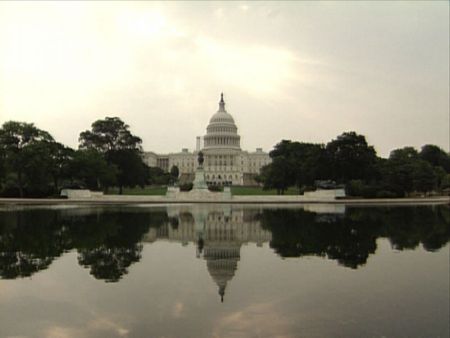
Washington, DC, the capital of the United States, is a city that stands as both the heart of American politics and a treasure trove of history, culture, and art. Walking through Washington feels like traversing a living museum, where every street, monument, and building tells a story. From the iconic Capitol Building to the quiet paths around the Tidal Basin, the city offers a wealth of experiences for visitors of all ages and interests. Whether you are a history buff, an art enthusiast, or someone who just loves exploring urban spaces with rich cultural layers, Washington has something to offer. The most iconic landmark in Washington, DC, is undoubtedly the National Mall, a broad, tree-lined stretch that stretches from the United States Capitol to the Lincoln Memorial. This open space is home to many of the city’s most famous monuments. The Lincoln Memorial, with its grandiose columns and the solemn statue of Abraham Lincoln, is an awe-inspiring site. The views from its steps, especially at sunset, are spectacular, offering both a sense of historical reverence and a stunning perspective of the Reflecting Pool leading up to the Washington Monument. Speaking of which, the Washington Monument itself is a striking obelisk that can be seen from almost anywhere in the city. Visitors have the option to take an elevator ride to the observation deck, which provides panoramic views of the capital’s skyline. The National Mall is not only about monuments but also about museums. The Smithsonian Institution has a vast collection of museums along the Mall, each with its unique appeal. The National Museum of American History houses artifacts that trace the nation’s cultural and political development, from the original Star-Spangled Banner to presidential memorabilia. Meanwhile, the National Air and Space Museum is a favorite among families and aviation enthusiasts alike, offering an up-close look at historic aircraft and spacecraft. The newer National Museum of African American History and Culture is a deeply moving experience, providing an intimate view of African American history, culture, and achievements through its extensive exhibits and multimedia presentations. One of the undeniable advantages of sightseeing in Washington is that many of these major attractions, including all Smithsonian museums, are free to enter. This accessibility makes it easy for travelers on a budget to explore the city extensively without worrying about entry fees. However, the popularity of these attractions can also be a downside. During peak tourist seasons, the National Mall and its museums can become extremely crowded, making it difficult to fully enjoy exhibits or take photographs without throngs of people in the background. Planning visits during early mornings or on weekdays can help mitigate this issue. Apart from the Mall, Washington is rich with other noteworthy neighborhoods and sites. Georgetown, with its cobblestone streets and historic row houses, offers a charming contrast to the formal grandeur of downtown DC. Here, visitors can explore boutique shops, dine in high-end restaurants, or take a stroll along the picturesque C&O Canal. The waterfront area along the Potomac River is particularly pleasant in the spring and summer, offering boat tours and scenic walking paths. One downside of Georgetown is its relatively high prices for dining and shopping compared to other parts of the city, but the ambiance often makes it worth the splurge. For those who appreciate architecture and history beyond the monuments, Capitol Hill and the surrounding areas provide an opportunity to see beautiful federal buildings, historic churches, and vibrant local markets. Eastern Market, a long-standing public market, is a favorite for both locals and tourists. It offers fresh produce, artisanal foods, and unique crafts. A visit to this area provides insight into the everyday life of Washingtonians, not just the tourist-heavy parts of the city. Transportation in Washington is another factor that affects sightseeing. The city’s metro system, buses, and bike-share programs make it relatively easy to get around without a car. The Metro is especially convenient for reaching major sites along the Mall, as well as farther attractions like the National Zoo or the Pentagon. However, the Metro has its drawbacks: during rush hours, trains can be crowded, and occasional delays are not uncommon. Walking, though, is often the best way to experience the city’s beauty and history firsthand. The compact layout of central Washington allows visitors to stroll from the Capitol to the Lincoln Memorial in a couple of hours while passing several museums and memorials along the way. Washington also offers experiences tied to nature and seasonal beauty. The Tidal Basin, famous for its cherry blossom trees, attracts thousands of visitors every spring during the National Cherry Blossom Festival. Walking or paddling along the basin is a peaceful way to enjoy the outdoors while admiring the Jefferson Memorial and other nearby monuments. The downside of visiting during this festival is the heavy crowding, but the beauty of the blossoms and the festive atmosphere often outweighs the inconvenience. For a more tranquil outdoor experience, Rock Creek Park provides hiking trails, picnic areas, and a chance to escape the urban bustle without leaving the city. Food and dining in Washington reflect the city’s diversity. From food trucks near the National Mall serving international dishes to upscale restaurants in neighborhoods like Dupont Circle and Penn Quarter, there is something to satisfy every palate. Local favorites include half-smokes at Ben’s Chili Bowl, a historic eatery with a rich history tied to the civil rights movement. While dining in some tourist-heavy areas can be pricey, exploring side streets and local neighborhoods often reveals hidden gems with authentic flavors at reasonable prices. Another benefit of Washington is the abundance of events and festivals throughout the year. Political rallies, parades, and cultural events often take place near the Mall, providing visitors with a chance to experience the city’s lively spirit. However, this can also mean road closures, increased traffic, and limited access to certain areas, which can be frustrating for tourists on a tight schedule. Nightlife and evening sightseeing also offer a different perspective of Washington. Monuments like the Lincoln Memorial, the Martin Luther King Jr. Memorial, and the Jefferson Memorial are beautifully illuminated after dark. Evening walks around these sites provide a quieter, more reflective experience compared to the daytime crowds. Certain areas, like the Wharf along the Potomac, are bustling with bars, music, and dining options, allowing for a vibrant night out. Conversely, parts of the city can feel deserted after dark, particularly outside the main tourist corridors, so visitors should exercise caution and stay in well-lit areas. Cultural performances are another highlight of the city. The John F. Kennedy Center for the Performing Arts hosts everything from ballet and opera to jazz and theatrical productions. Free performances on the Millennium Stage each evening make high-quality cultural experiences accessible to all visitors. This blend of accessibility and variety enhances Washington’s appeal for art lovers. Yet, tickets for high-demand performances, especially at the Kennedy Center or major theater productions, can be expensive and sell out quickly, so planning ahead is essential. For families traveling with children, Washington offers numerous kid-friendly attractions. The National Zoo, part of the Smithsonian, provides a chance to see giant pandas, lions, and other exotic animals without paying an entrance fee. The International Spy Museum, though not free, offers interactive exhibits that engage older children and adults alike, exploring espionage history in a hands-on way. On the flip side, some museums and attractions can be overwhelming for very young children due to crowds, extensive walking, or limited seating areas, which requires thoughtful planning. Transportation for sightseeing beyond central Washington is also feasible. Day trips to nearby locations like Mount Vernon, the historic estate of George Washington, or Arlington National Cemetery are popular. Mount Vernon offers beautifully preserved grounds, historical tours, and a museum detailing George Washington’s life. Arlington National Cemetery, meanwhile, is a solemn and moving experience, with the Tomb of the Unknown Soldier and the Kennedy gravesite. Accessibility by car or public transport is convenient, though planning for parking and travel time is necessary. One challenge for visitors is the variability in weather. Summers can be extremely hot and humid, making outdoor sightseeing uncomfortable, especially on long walks along the National Mall. Winters can be cold, and although snowfall is usually manageable, icy conditions might affect walking or driving. Spring and fall are generally considered the best times for visiting, offering mild weather and seasonal beauty like cherry blossoms or autumn leaves. Washington, DC, is also a city of contrasts. Its grandeur and history coexist with vibrant local communities, each with unique character and charm. Exploring neighborhoods like Adams Morgan or U Street provides insight into music, nightlife, and cuisine that reflect the city’s diversity and creativity. These areas can feel more authentic than tourist-heavy zones but require visitors to be mindful of navigating busy streets and public transport. Accessibility for visitors with mobility challenges has improved significantly. Many museums, monuments, and public transport options offer accommodations such as ramps, elevators, and accessible restrooms. While this makes the city more inclusive, some older memorials and historic sites may still have limited accessibility, which can be frustrating for those who rely on it. |
Ask your question about travel on our Forum